An Anti-Aging Skincare Routine for Your 30s

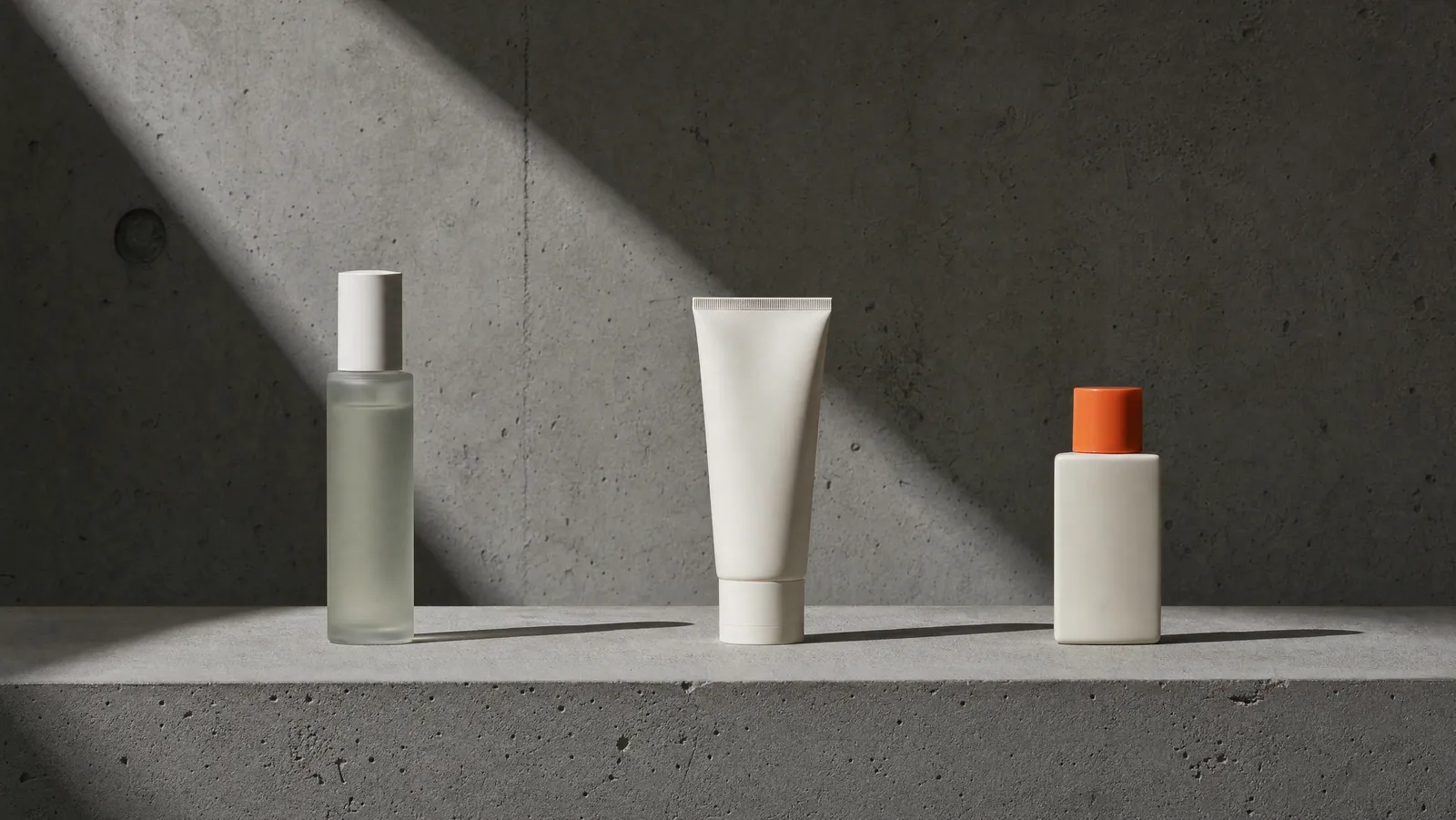
An anti aging skincare routine for your 30s needs four things: broad-spectrum sunscreen every morning, an antioxidant in the morning, a retinoid you can actually tolerate most nights, and a moisturizer you like enough to use. That is the routine. Everything past it is optional, and the optional parts are where most people lose the plot. Some of the guides I link to contain affiliate links, and I may earn a small commission at no cost to you.
I'm Kelly Hyde, and I have tested more products in this decade than I care to admit. The thing that moved my skin was not a product. It was finally keeping a short routine for two years straight. This guide is the decade-specific version of our full anti aging skincare routine: what is actually changing, the morning and evening steps with the reasoning, a three-step version for bad weeks, and what you can skip without guilt.
Nothing here is framed around panic. Your 30s are not a deadline, just the decade where prevention has the longest runway.
What is actually happening to skin in your 30s
Less than the marketing suggests, and it is mostly cumulative rather than sudden.
Old sun exposure starts surfacing as tone and texture. This is the big one, and it usually shows up as uneven pigment before it shows up as lines. A 2013 study of 298 women published in Clinical, Cosmetic and Investigational Dermatology, by Flament and colleagues, concluded that UV exposure "seems to be responsible for 80% of visible facial aging signs." That was one population of Caucasian women in the south of France, so treat it as a strong signal rather than a constant. The direction is not controversial: the American Academy of Dermatology lists daily sun protection first among its ways to reduce premature skin aging.
Dark spots become the complaint that brings people to a dermatologist. In an American Academy of Dermatology release on skin care by decade, board-certified dermatologist Dr. Lauren Eckert Ploch notes that if you have dark spots at this point in your life, you are at risk for getting more as you grow older, and she calls retinoids her go-to wrinkle treatment for women in this age group.
Turnover and repair slow down gradually. You notice it in recovery time more than in the mirror. Research suggests epidermal cell turnover slows with age, and in my experience a mark from a blemish lingers longer in your 30s than it did in your early 20s, which is why irritation gets more expensive as a strategy.
Movement lines start to linger. The lines that appear when you squint stay a little longer after you stop. The AAD's advice here is almost funny in its practicality: avoid repetitive facial expressions, and wear sunglasses so you squint less.
The three things that do almost all the work
If you only ever do three things, do these.
- Broad-spectrum sunscreen, every morning. The AAD recommends sunscreen that is broad spectrum, SPF 30 or higher, and water resistant. The FDA is blunter about what the label means: products that are not broad spectrum, or are under SPF 15, have to carry a warning saying they have been shown only to help prevent sunburn, not skin cancer or early skin aging.
- A retinoid most nights. The AAD describes retinoids as spurring faster skin cell turnover and boosting collagen, which may improve tone, fine lines and wrinkles. Retinoids are the most-studied topical anti-aging category, though most of that evidence comes from prescription-strength tretinoin rather than over-the-counter retinol.
- Not smoking. The AAD puts it plainly: if you smoke, stop, because smoking greatly speeds up how quickly skin ages. No serum competes with that.
Notice what is not on the list: no fourth product, no device, no supplement. The industry would rather sell you the fourth thing, because two of the first three are probably already in your bathroom and the third is free.
The morning routine, step by step
Four steps, under two minutes. That is the only reason I still do it on a Tuesday in February.
- Cleanse gently, or just rinse. The AAD is specific that scrubbing your skin clean irritates it, and that irritating your skin accelerates skin aging. A mild cleanser or plain water both qualify as gentle.
- Antioxidant serum. Vitamin C is the default pick. More on where it fits below.
- Moisturizer. The AAD's reasoning is mechanical rather than mystical: moisturizer traps water in our skin, giving it a more youthful appearance. Pick a texture you like, because that is the one you will use.
- Sunscreen, generously. This is the step that earns the decade. The AAD says most adults need about 1 ounce, roughly a shot glass, for exposed skin, and at least 1 teaspoon for the face, which is about the amount that covers the length of your index and middle fingers. Reapply approximately every two hours, or after swimming or sweating.
Two details people skip. First, the AAD notes that even on cloudy days up to 80% of the sun's harmful UV rays can penetrate the clouds, and that UVA rays pass through window glass, so a desk by a window is not shade. Second, take it down your neck and chest, which Dr. Ploch specifically recommends. If sunscreen has felt like a chore, the textures in my guide to the best Asian sunscreens are the ones I reapply without resenting.
The evening routine, step by step
Three steps, and one of them is a decision.
- Cleanse. Properly, once, at the end of the day. If you wear sunscreen and makeup daily, a two-step cleanse is worth the extra 30 seconds.
- Optional hydrating layer. On dry nights a watery layer before anything else makes a retinoid noticeably more comfortable. If the category confuses you, the difference between an essence, a serum and an ampoule sorts it out in five minutes.
- Retinoid, then moisturizer. Or, on a recovery night, just moisturizer.
This is the decade to start a retinoid, and the ramp matters more than the product. How you build up is the difference between a habit and a two-week experiment that ends in flaking, so read how to start retinol first. The short version: the AAD advises starting with the least-intense retinoid formula and applying it every other night, slowly building up, while Cleveland Clinic suggests applying retinol only every other day for the first couple of weeks of treatment.
Three things to know before you open the bottle:
- It makes you more sun-sensitive. Both the AAD and Cleveland Clinic say so plainly. A retinoid without daily sunscreen is a bad trade.
- Prescription retinoids are a conversation with a clinician. Tretinoin and its relatives are stronger than over-the-counter retinol, they require a prescription, and the strength and schedule are your doctor's call, not an article's.
- If you have skin of color, go slower. The AAD cautions that with skin of color, irritation can trigger dark marks known as hyperpigmentation. Irritation is not a neutral cost here.
Pregnant, breastfeeding, or trying? The AAD states that retinoids should not be used during pregnancy, and Cleveland Clinic advises consulting your healthcare provider before using new products if you are pregnant or breastfeeding. Stop the retinoid and ask your doctor or dermatologist what to use instead. There is no clever workaround, and I am not going to pretend there is one.
On nights when skin feels tight or raw, swap the retinoid for something deliberately boring. Ingredients like centella asiatica, the cica in half the Korean formulas on my shelf, exist for exactly this.
Where antioxidants fit
Morning, after cleansing, under sunscreen. That is the whole answer.
Vitamin C is the best-known option. Dr. Ploch's recommendation in that AAD release is to pair topical vitamin C with retinoids for treating and preventing dark spots, and to use a light antioxidant serum to protect skin from the elements and improve signs of early skin aging. My framing: vitamin C is support, sunscreen is the main event. It may help with dullness and uneven tone over months, and it is not a substitute for the thing that stops the damage.
If you want specifics on formulas, concentrations and the ones that do not oxidize into orange disappointment by week three, see the best vitamin C serums. If a vitamin C serum stings on you, drop it. One of the AAD's tips for reducing premature skin aging is to stop using skin care products that sting or burn unless a dermatologist prescribed them.
The minimum viable routine
Some weeks you will not do four steps. You will have a newborn, a deadline, a flight at 6am, a flu. The standard advice is to push through, which is how people abandon the routine in month five and start over in January. The better move is a version so small you cannot fail it.
The three-step minimum:
- Morning: sunscreen. Over whatever your skin already has on it. Skip the cleanser, skip the serum. Sunscreen on unwashed skin is worth more than a perfect routine you did not do.
- Evening: cleanse. One pass, any gentle cleanser, 20 seconds.
- Evening: moisturizer. Whatever is open.
That is it. No retinoid, no actives, no decisions. It takes 90 seconds, it holds your skin steady, and it keeps the habit alive so that when the week ends you are resuming rather than restarting.
Two rules that make the minimum work:
- The sunscreen stays, the actives go. When you cut, cut the retinoid and the serum, never the SPF. Prevention is the part with compounding returns.
- Do not treat the minimum as failure. I run it maybe six weeks a year and my skin does not care. A routine you keep at 60% for a decade beats one you keep at 100% for seven weeks, and that is the single idea I would want you to take from this article.
What you can skip in your 30s
Not because these things are frauds, but because they are competing for attention with steps that do more.
- Eye cream as a separate category. A dedicated eye product is mostly a moisturizer in a smaller jar at a higher price per ounce. If you like one, use it. If you are choosing between an eye cream and more sunscreen on your neck, buy the sunscreen.
- Collagen drinks and powders. The research is still developing and much of it is funded by the people selling the product. I have not seen evidence strong enough to move an ingestible ahead of the three things above. Treat it as a nice-to-have, not a replacement.
- Anything marketed on fear. "Your skin is aging faster than you think" is a sales tactic, not a diagnosis. So is any before-and-after that relies on different lighting.
- A fifth active. Acids, peptides, growth factors and exosomes all have interesting stories, but a fifth product mostly adds a chance to irritate yourself. The AAD's own advice for anti-aging products is to start with one product, because using several at the same time can irritate your skin.
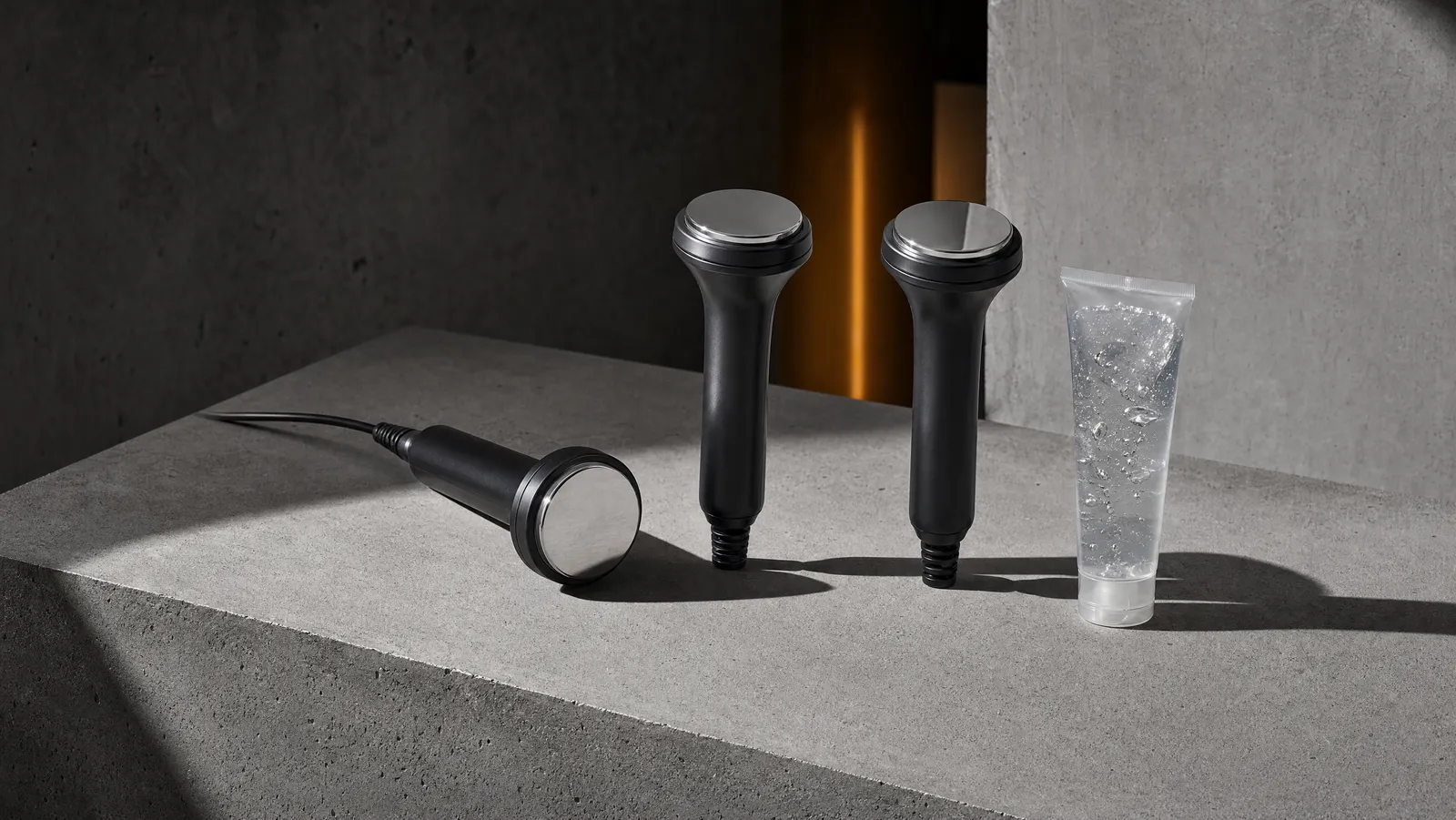
- Devices, for now. They are an upgrade on a working routine, not a foundation. The broader Korean skincare routine framework is a cheaper place to experiment.
A weekly schedule you can screenshot
The morning column is identical seven days a week. That repetition is the feature, not laziness.
| Day | Morning | Evening | | --- | --- | --- | | Monday | Cleanse, vitamin C, moisturizer, SPF | Cleanse, retinoid, moisturizer | | Tuesday | Cleanse, vitamin C, moisturizer, SPF | Cleanse, hydrating layer, moisturizer | | Wednesday | Cleanse, vitamin C, moisturizer, SPF | Cleanse, retinoid, moisturizer | | Thursday | Cleanse, vitamin C, moisturizer, SPF | Cleanse, hydrating layer, moisturizer | | Friday | Cleanse, vitamin C, moisturizer, SPF | Cleanse, retinoid, moisturizer | | Saturday | Cleanse, vitamin C, moisturizer, SPF | Cleanse, moisturizer, facial oil or balm | | Sunday | Cleanse, vitamin C, moisturizer, SPF | Cleanse, hydrating layer, moisturizer |
Three retinoid nights, four recovery nights. If your skin is comfortable after a few months, add a fourth. If not, drop to two and stay there. Three nights a week forever is a legitimate endpoint, not a stepping stone.
How long before you see anything
Longer than the packaging implies, and the honest numbers are not depressing.
The AAD's guidance on anti-aging products is that a moisturizer can plump up fine lines in a few days, but most products take at least six weeks to work, and sometimes up to three months. Cleveland Clinic says retinol starts working in your cells right away, but it will take several weeks before you see an improvement in the look and feel of your skin, and notes that skin may look worse at first while it adjusts.
So: hydration in days, texture and tone over a couple of months, and the prevention payoff on a timescale of years, where you never get to see the counterfactual. You are not buying a visible result this quarter. You are buying a better starting position for the next decade, and by the time you reach an anti-aging skincare routine for your 40s, where skin is drier and slower to recover and the work shifts toward cushioning your actives, you will be glad you started now.
FAQ
Is 30 too late to start? No. Sun protection reduces further damage whenever you begin, and the AAD's premature-aging advice is not age-gated. The second-best time to start is this morning.
Do I need a separate eye cream? Probably not in this decade. A gentle moisturizer taken up to the orbital bone does most of the same work. Use one if you like the texture, not because you are behind.
Can I use vitamin C and a retinoid? Yes, by splitting them: antioxidant in the morning under sunscreen, retinoid at night. That also keeps you from stacking two irritating actives in one sitting.
I am pregnant. What do I do about my retinoid? Stop it and ask your doctor or dermatologist. The AAD states retinoids should not be used during pregnancy, and Cleveland Clinic advises checking with your healthcare provider before using new products while pregnant or breastfeeding. Sunscreen, gentle cleansing and moisturizer all stay.
The one thing to take away
Consistency beats intensity, at every price point. The person who wears SPF daily and uses a mild retinoid three nights a week for ten years ends up ahead of the one who runs an eleven-step routine for two months each spring. That is not a motivational line, it is how cumulative exposure works.
Start with sunscreen tomorrow morning. Add a retinoid when you have the patience to ramp it properly. Keep the three-step minimum in your back pocket for the weeks life wins. For the full picture of actives, order of application and what each ingredient can and cannot do, our complete anti-aging routine guide goes deep.
What does your bad-week routine look like? Mine is 90 seconds, and it has saved more progress than any product I own.
About the Author
Kelly Hyde
Kelly Hyde is a certified skincare specialist and beauty trend forecaster, and the founder of Next Gen Beauty Reviews. She spends her time testing the latest K-beauty launches, at-home beauty devices, and skincare tools so you do not have to, and only recommends products she would put in her own routine.