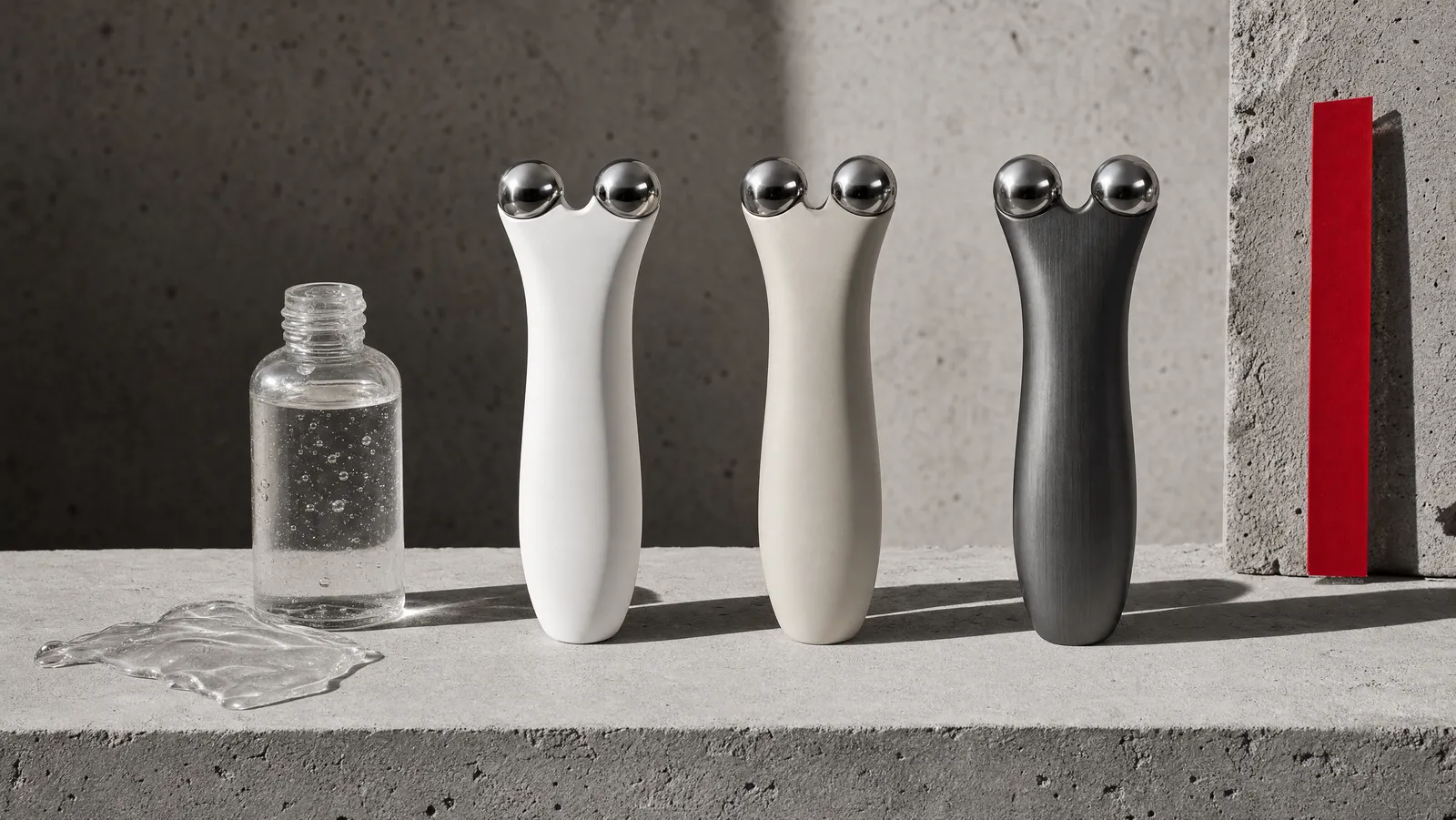
The Best At-Home Beauty Devices: What Actually Works, by the Numbers

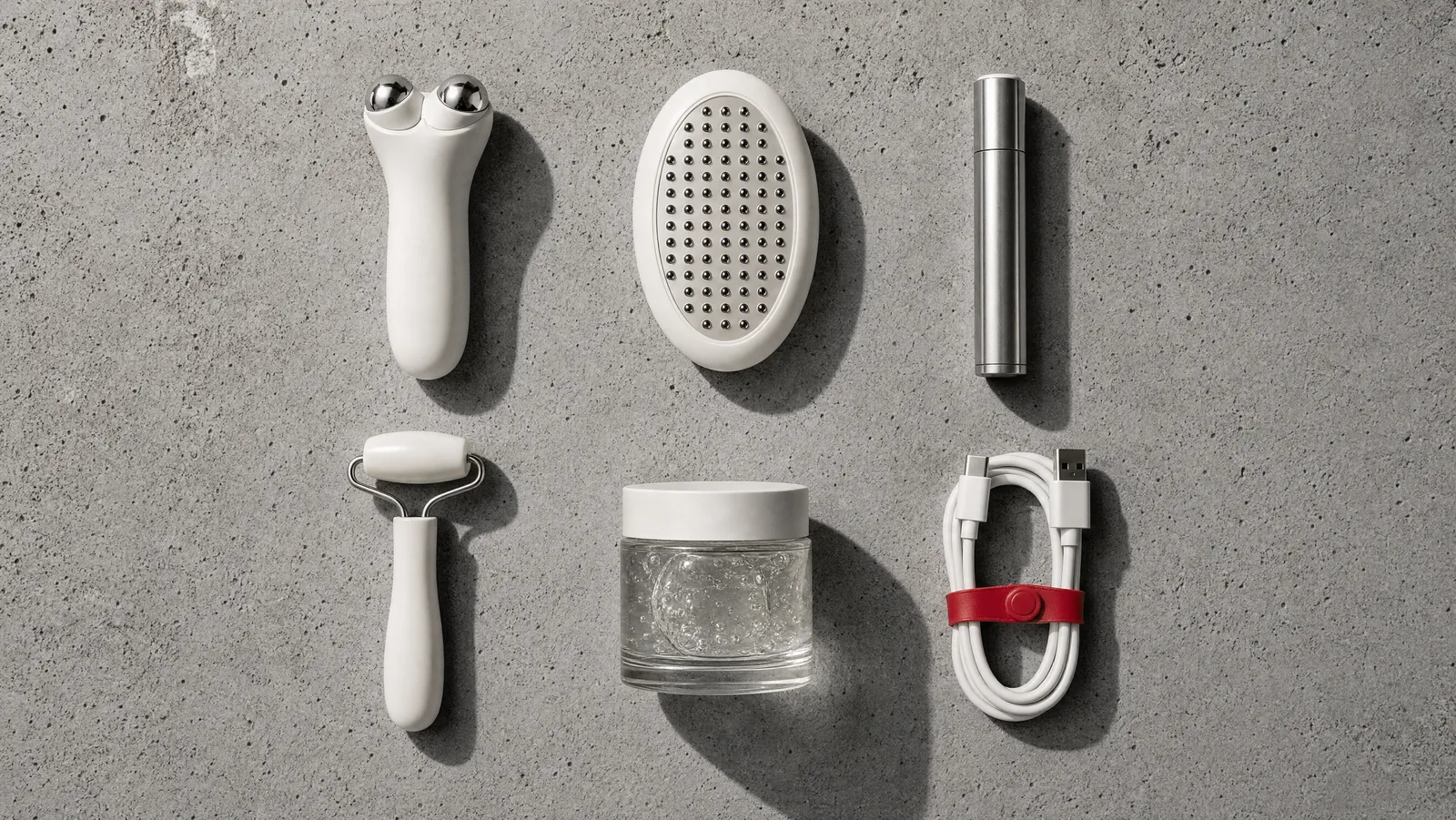
The best at-home beauty devices are the ones willing to publish a number you can check: microamps for microcurrent, nanometers and milliwatts for LED, megahertz for radiofrequency, millimeters of needle for a roller. Everything else in this category is a design story told in brushed aluminum. If a handset will not tell you its output, you cannot judge it, and neither can I.
I'm Kelly Hyde, and I have spent more on beauty tech than I would like to see written down. The expensive lesson: price and output are barely related. Devices in this category ran from drugstore impulse buys to several hundred dollars as of October 2026, and some of the cheapest published full specs while the priciest listed nothing but a trademarked treatment name. The marketing is loud and the spec sheet is empty, so the only honest way to evaluate a device is to read whatever figures it does disclose against what the underlying technology can physically do.
This page is the hub for that work. It walks every major modality sold for home use, tells you which figure matters for each one, and says plainly how strong the published evidence is, because it varies enormously. A couple of these categories have randomized trials behind them. At least one has essentially none. And every home device is a lower-powered version of something a clinic does with more energy, more control and a trained operator, so the realistic promise is a gradual improvement in the appearance of skin, not a result you would call a treatment.
How we judge a device: the five specs that matter
Five questions decide whether a device is worth your money. I apply them to every handset in this series, in this order.
1. Modality. What physically happens to your tissue? Electrical current, light, heat from radio waves, mechanical vibration, physical punctures. Most disappointment in this category comes from buying a modality that was never going to do the thing you wanted. A vibrating massager was never a tightening device, and light does not contract muscle.
2. The output figure. Each modality has exactly one number that matters, and a brand that omits it is telling you something. Microcurrent is measured in microamps. LED needs wavelength in nanometers plus irradiance in milliwatts per square centimeter, which together give you dose in joules per square centimeter. Radiofrequency needs its frequency in megahertz and the temperature it holds the skin at. Rollers need needle length in millimeters. Ultrasound needs frequency in kilohertz or megahertz.
3. Regulatory status. Whether a device is FDA cleared, not regulated as a device at all, or cleared only for prescription use changes what it may claim and hints at the evidence the manufacturer had to produce. These are not interchangeable labels, and I unpack them below.
4. Session time and frequency. A device that needs twenty minutes five times a week is a different purchase from one that needs three minutes daily, and compliance is the single most common reason a device ends up in a drawer.
5. Consumable cost. Conductive gel, replacement roller heads, replacement electrodes. Some devices are cheap to buy and expensive to run. That ongoing cost belongs in the purchase decision, not as a surprise six weeks later.
Microcurrent: the muscle-stimulation category
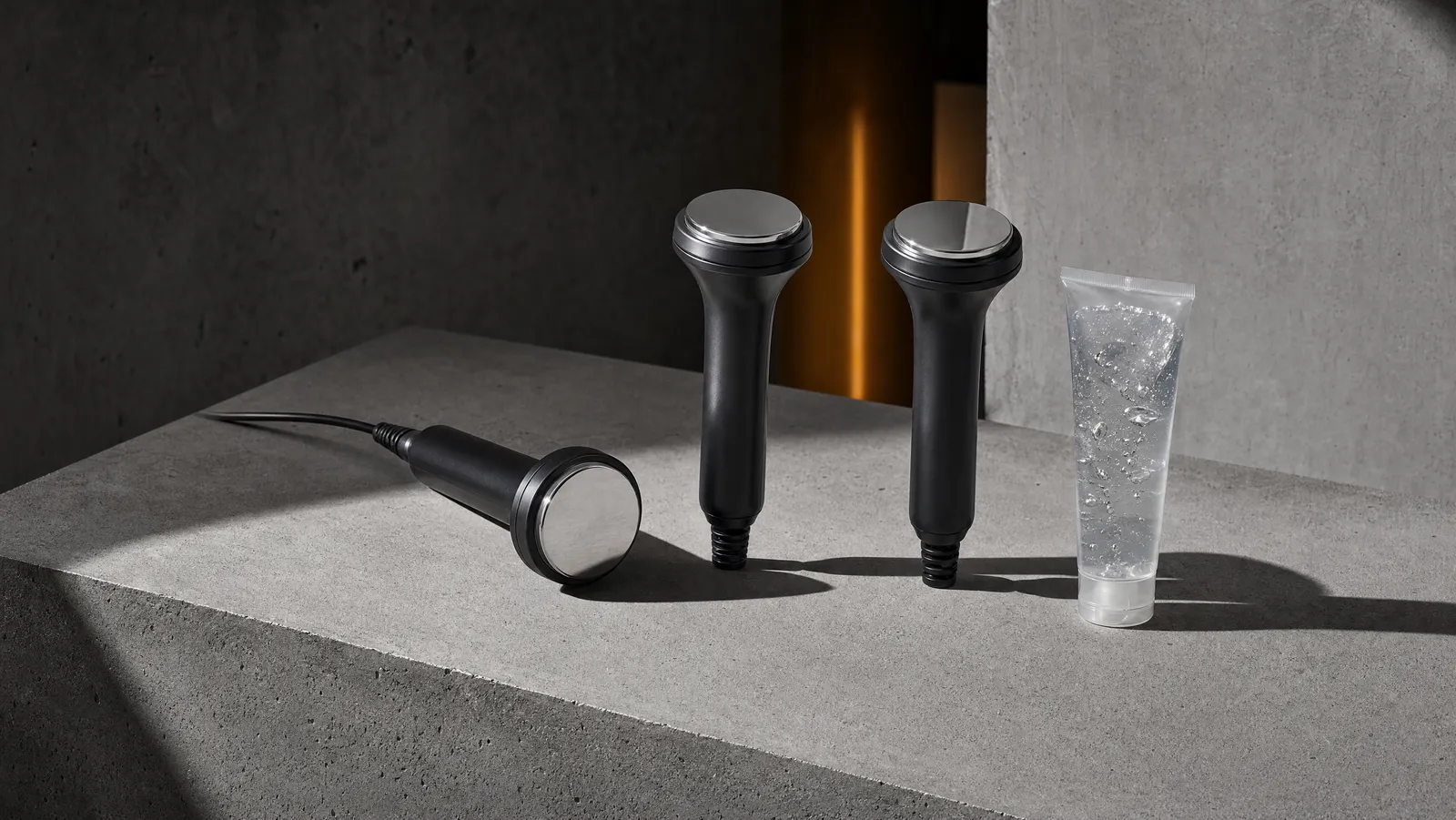
Microcurrent devices pass a very low-level electrical current through facial tissue using two metal probes you glide across skin coated in conductive gel. The sales pitch is lifting: brands describe the current as toning facial muscles the way resistance training tones a bicep, with a temporary contouring effect after each session and a cumulative one over months.
The spec that matters is current, in microamps, and this is where the category gets slippery. Very few consumer brands publish it. A handheld facial massage and microcurrent therapy device patent registered with the US Patent and Trademark Office describes a microcurrent facelift as using low-level current in the range of 0 to 600 microamps for gentle stimulation, which is the clearest technical range I have been able to source for consumer hardware. It is a manufacturer-side description in a patent filing rather than an independent measurement, and I have not found a published trial that reports a specific microampere dose and its result. Treat any brand's claimed figure as a claim.
There is also a definitional split that matters more than the marketing admits. True microcurrent is sub-sensory: you should feel almost nothing beyond a faint metallic taste near the jaw. Neuromuscular electrical stimulation, or NMES, uses enough current to produce a contraction you can see and feel. Several trials cited for microcurrent actually tested NMES devices, a different intensity of intervention. The practical question when shopping is whether your face twitches.
Manual lifting tools like gua sha are the no-electricity comparison here, worked by hand and costing a fraction as much. I use both, for different reasons. I cover the hardware itself, probe geometry, gel requirements and session length, in a dedicated guide to the best microcurrent facial devices.
Does microcurrent hold up to the research?
Partly, with real caveats. There is a small body of published work on facial electrical stimulation, most of it recent, most of it on small samples, and much of it testing devices that are more powerful than what gets sold as microcurrent.
According to an 8-week prospective, split-face controlled trial of facial neuromuscular electrical stimulation in Asian participants, indexed on PubMed and run with 24 healthy women aged 30 to 59 at a Tokyo university hospital, the treated side of the face showed improved skin elasticity and wrinkle grades compared with the untreated side. The device in that study operated between 40 and 190 kilohertz, which is a frequency-based device rather than a microamp-level one. A correction to that paper has since been published, which is worth knowing when you see it cited as proof of anything.
Smaller studies point the same direction. According to an objective analysis of facial neuromuscular electrical stimulation and facial muscle morphology indexed on PubMed, a 14-person split-face study of periorbital stimulation found that muscle thickness significantly increased and the length of fat herniation decreased on the stimulated side, measured by imaging rather than by eye. According to a randomized trial of transcutaneous electrical acupoint stimulation for clinical signs of facial skin aging, wrinkle scores were significantly reduced at weeks 4 and 8 compared with baseline, though that is acupoint stimulation rather than a glide-across-the-face handset.
So: measurable changes, repeatedly, across several electrical stimulation approaches. But the samples are tiny, the protocols all differ, several studies involve device makers, and almost none test the sub-sensory microamp devices most people actually buy. Put plainly, what the microcurrent evidence shows is a plausible and partially supported effect, not a settled one, and anyone telling you it is proven is overselling a handful of small trials. The companion piece takes the literature apart study by study, including the 108-person randomized trial the whole industry cites and the reason it does not transfer to a five-minute handset.
Microcurrent vs RF vs ultrasound: picking a modality
These three get sold with nearly identical language and do completely different things to tissue. Here is how microcurrent, RF and ultrasound compare on the specs that actually separate them.
| Modality | What it does to tissue | Spec to demand | Session feel | |---|---|---|---| | Microcurrent | Low-level current across muscle and skin | Output in microamps | Nothing, or a faint metallic taste | | Neuromuscular stimulation | Current strong enough to contract muscle | Current and frequency | Visible, feelable twitching | | Radiofrequency | Heats dermal tissue with radio waves | Frequency in MHz, target skin temperature | Building warmth, must keep moving | | Ultrasound (low frequency) | Cavitation at the skin surface, aids penetration | Frequency in kHz | Warmth and a faint buzz | | LED and near-infrared | Light absorbed by cellular targets, no heat | Wavelength in nm, irradiance, dose in J/cm2 | Nothing at all |
The sorting rule: if your concern is contour and the look of slackness, you are shopping current or heat. If it is tone, redness or fine lines, you are shopping light. If your serums feel like they sit on top of your skin, you are shopping ultrasound, and you should read the layering section below first.
Radiofrequency and at-home skin tightening
Radiofrequency heats tissue below the surface, and controlled heating of the dermis is the mechanism behind in-clinic tightening. Home units are built around a hard constraint: they must produce useful heat without the cooling systems and operator training a clinic device has. According to a review of the development of home beauty devices for facial rejuvenation indexed in PubMed Central, home radiofrequency devices often use bipolar or multipolar configurations, which eliminates the need for additional cooling and effectively prevents overheating, because monopolar radiofrequency's higher energy is harder to control in a home setting. It explains both why home RF can be sold for unsupervised use and why it is gentler than what a clinic does; the same review notes multipolar RF may have a weaker effect than monopolar because its energy penetrates less deeply.
The published evidence for at-home RF is better than I expected and still much thinner than for in-clinic RF. According to a randomized split-face clinical trial of a home radiofrequency device indexed in PubMed Central, the treated side showed improvements in wrinkles, radiance, color and skin thickness, and outperformed anti-aging cosmetics used on the control side, with 32 participants completing the study. An open-label, intraindividual controlled trial of a noninvasive home-based radiofrequency device reported that wrinkle appearance improved at 4 and 8 weeks and dermal thickness increased at week 8 as measured by ultrasound, with no serious adverse event observed. In a study of a home-use device combining RF and light energies for periorbital wrinkles, blinded dermatologist assessment of the 30 subjects who completed it found an average improvement of roughly 1.5 points on the Fitzpatrick wrinkle scale.
Read those numbers for what they are: roughly thirty people, four to twelve weeks, outcomes measured on clinical scales rather than in the mirror. I could not find a head-to-head study comparing home device energy output against clinic devices, so the "same technology as the clinic" line is not something anyone has verified for you. What to demand from any handset here: frequency in megahertz, the skin temperature it is designed to hold, and an automatic shutoff. I go deeper on specs and handpiece design in my guide to at-home RF skin tightening devices.
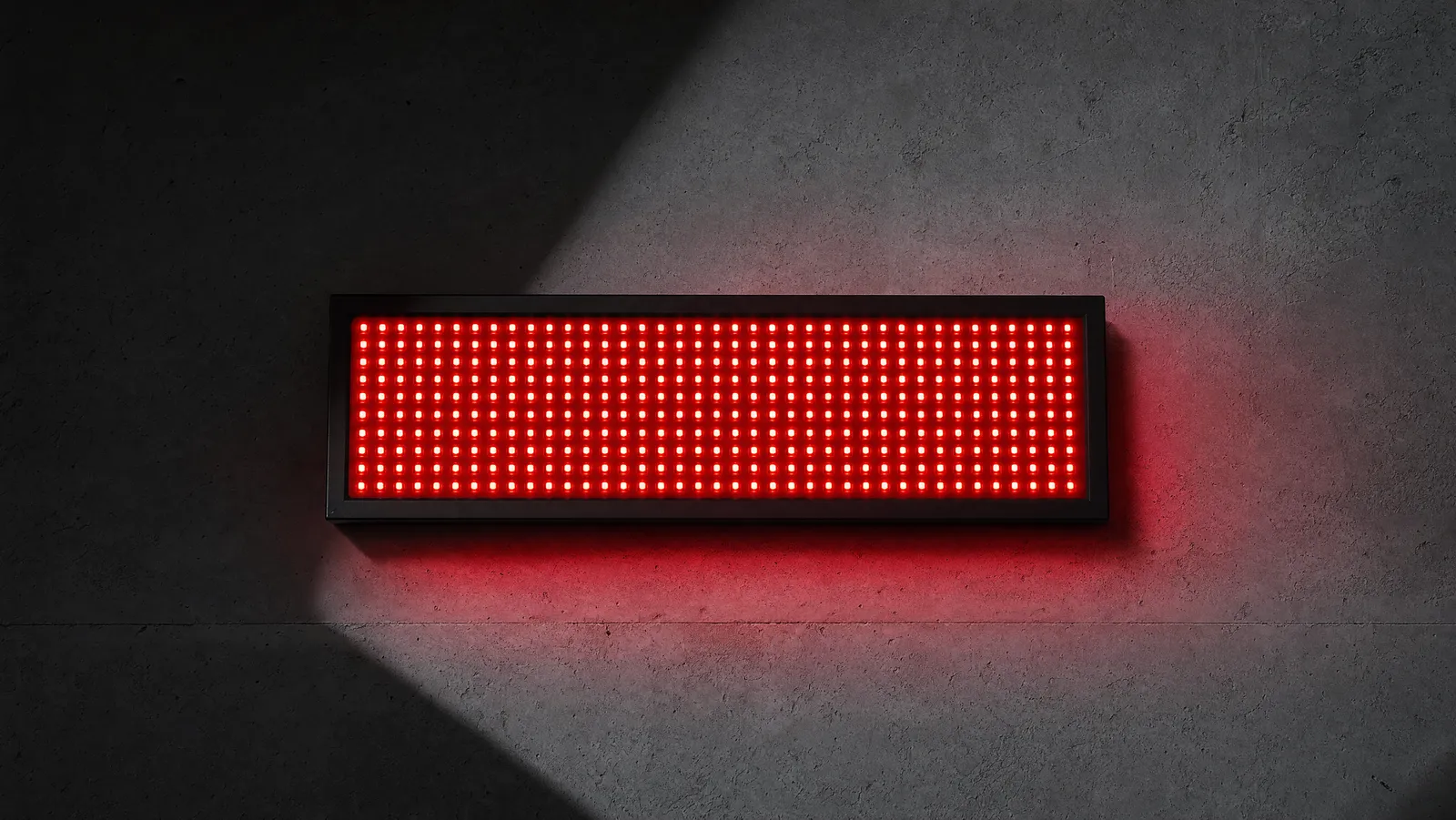
LED and red light: wavelength, dose and session math
LED is the one modality where you can do real arithmetic before you buy, which makes an overpriced device easy to spot.
Two numbers define the light. Wavelength, in nanometers, sets what the light does and how deep it reaches. According to a review of light parameters in photobiomodulation indexed in PubMed Central, light in the 600 to 700 nanometer range is suited to superficial tissue while 780 to 950 nanometers reaches deeper tissue, and that same review is candid that the optimal wavelength and dose remain undefined. According to a product guide review of red light therapy, the most commonly used devices pair red light at roughly 630 to 660 nanometers with near-infrared at roughly 830 to 850 nanometers, targeting mitochondria to support collagen production.
The mechanism is better characterized than most things in this article. According to a review of proposed mechanisms of photobiomodulation, the leading explanation is absorption by cytochrome c oxidase, which increases ATP production, and that review notes 810 nanometer light increased collagen I expression in fibroblasts. On the clinical side, according to Goldberg and colleagues' 2006 study of combined 633 nanometer and 830 nanometer LED treatment of photoaged skin, 36 subjects showed significant wrinkle improvement, and electron microscopy of five biopsied subjects showed thicker collagen fibers after treatment.
Now the session math, which no brand will do for you. Dose, or fluence, is irradiance multiplied by time. If a mask publishes 30 milliwatts per square centimeter and you run it for ten minutes, that is 600 seconds at 0.03 watts per square centimeter, which works out to 18 joules per square centimeter. A mask that publishes only "10 minute sessions" with no irradiance figure has told you nothing, because at a third of that power the same ten minutes delivers a third of the dose. Ask for both numbers or assume the worst. I compare published output figures across masks and panels in my roundup of the best LED face masks, and I break down the dose arithmetic further in a dedicated piece on LED wavelengths and dose explained.
High-frequency wands for congestion and oil
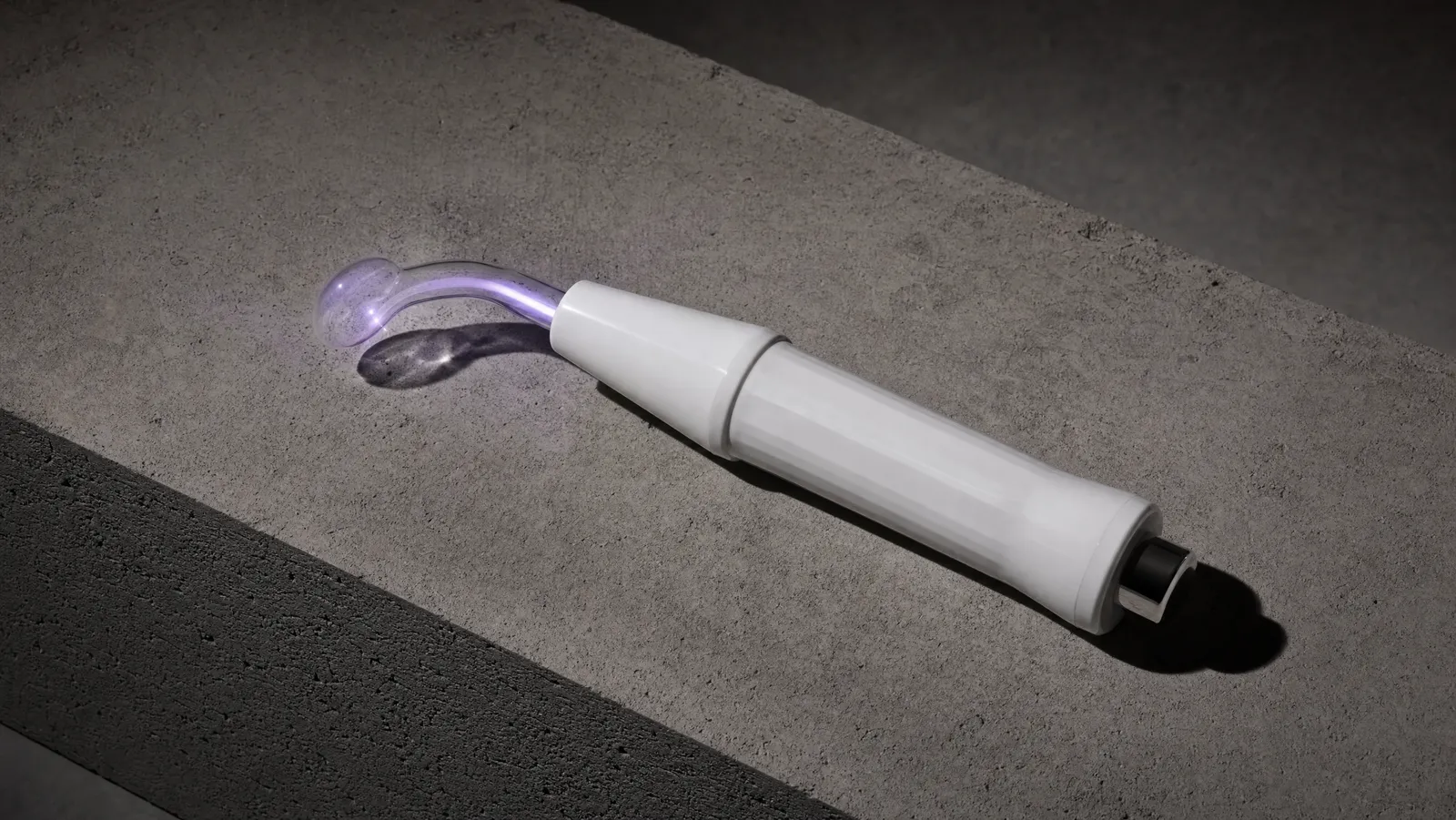
This is the category where I have to be bluntest. A high-frequency wand is a glass electrode filled with an inert gas, usually argon or neon, that lights up when current passes through it. The gas determines the color, and brands assign different purposes to each: argon for blemishes, neon for general use.
The mechanism manufacturers describe is twofold. According to Dr Raj Arora, the GP and skin expert quoted by Marie Claire UK, the wand uses thermal energy and ozone production to target inflammation, acne and redness. Retailers go further: spa-supply listings describe argon gas as a natural disinfectant and present the oxygen the wand produces at the skin surface as hostile to acne bacteria, which they describe as anaerobic.
Here is what I could not find: controlled trials. Searching for clinical evidence returns product listings and spa supply blogs. According to an analysis published by North Biomedical, the fair verdict on the acne claim is "plausible mechanism, thin clinical evidence, probably modest," and it makes the additional point that acne involves microbiome imbalance rather than bacterial load alone, which makes indiscriminate oxidation a blunt instrument. I think that is right. The physics are real, the skin-level benefit is unproven, and the broader claims that appear on listings, collagen production and wrinkle reduction and hair growth, are not supported by anything I can cite.
If you own one, follow its own instructions and keep sessions short, since this is an oxidation tool rather than a gentle one. I walk through electrode choice and session structure in a separate guide on how to use a high-frequency wand.
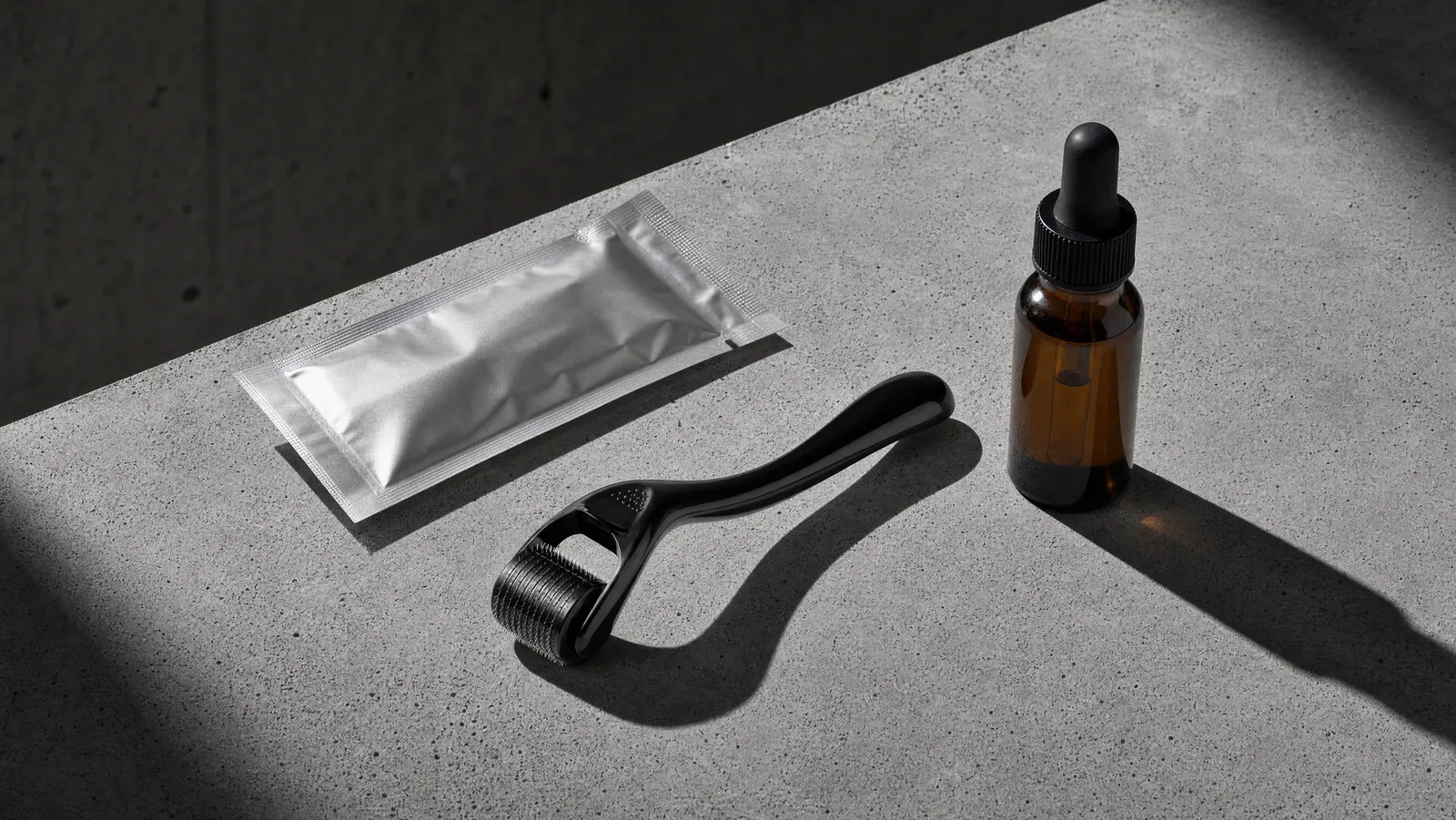
At-home microneedling and derma rollers
Microneedling is the one category here where the stakes are physical rather than financial, because you are making punctures in your skin. The regulatory picture explains that risk better than any product page.
According to the FDA's guidance "Regulatory Considerations for Microneedling Products," issued in November 2020, the product types covered include needling instruments, needlers, dermal rollers, microneedle rollers, microneedle stamps and dermal stamps. The dividing line for whether a product is regulated as a device comes down to needles and claims. According to the FDA's consumer update on microneedling devices, a product with longer or sharp needles that penetrate the skin is generally a device, while a product that claims only to facilitate exfoliation or improve the appearance of skin generally is not regulated as a device, and the agency's example of a non-device is a dermal roller with short, blunt needles claiming only to remove dead skin and smooth and brighten skin.
Regulated microneedling devices sit in a specific bucket. According to the FDA's De Novo classification order for the SkinPen Precision System, the generic category "microneedling device for aesthetic use" is a Class II device under 21 CFR 878.4430, defined as a device using one or more needles to mechanically puncture and injure skin tissue for aesthetic use. The clearances issued in that category are for prescription use, and the FDA has stated it has not authorized any microneedling medical devices for over-the-counter sale. Read that sentence twice before you buy a roller online. The tool you can add to a cart is, by regulatory design, either a blunt cosmetic product or something being sold outside the category the FDA created for needling devices.
The clinical literature on professional microneedling is reasonably encouraging and honest about its limits. According to a comprehensive review of microneedling in dermatology published in Cureus in 2024, microneedling is generally considered a safe procedure and has gained recognition for its clinical effectiveness and the level of patient satisfaction it delivers, though that review reports no pooled satisfaction or adverse event rates and says clinical trials are still needed to establish standardized protocols and guidelines. Those are clinic procedures with sterile single-use cartridges and trained operators, which is the whole difference. I lay out at-home microneedling safety limits, including depth, sterility and the conditions that rule you out, in a dedicated article. It is the one topic here I would read up on before buying rather than after.
Korean device ecosystems
Korean brands approach home devices differently from Western ones, and understanding the difference saves you from a specific kind of disappointment. The typical Korean handset is multi-mode: one body that runs electrical muscle stimulation, radiofrequency, LED and sometimes ultrasound in sequence, usually with a companion gel or ampoule it is calibrated for. The device and the consumable are sold as a system.
That design has a benefit and a cost. The benefit is adherence: one ten-minute program that cycles modes is easier to keep doing than four separate steps. The cost is attribution. When a multi-mode session improves your skin, you cannot tell which mode did it, which makes it impossible to spec-shop the way you can with a single-modality device.
The research infrastructure is developing in parallel. According to the review of home beauty device development cited earlier, the field has been working to establish an efficacy evaluation system for home devices specifically, an acknowledgment that clinic trial designs do not transfer cleanly to a tool someone uses unsupervised at home. I cover the ecosystems, the gel lock-in and which multi-mode units publish per-mode specs in my guide to the best Korean home beauty devices.
Conductive gels and what ruins a session
Current-based and most heat-based devices need a conductive medium between the metal and your skin, and this is where more home sessions fail than anywhere else. A device cannot reliably deliver its output through an air gap or an insulating layer, so the gel is not an accessory, it is part of the circuit.
What works. Water-based, glycerin-heavy gels with enough slip that the probes glide and enough body that they do not run off your jaw. Many devices ship with a branded gel and are calibrated around it.
What does not. Silicone-heavy primers, facial oils and thick occlusive balms all resist conduction. Thin watery essences evaporate and leave you dragging dry metal across skin, which is uncomfortable and delivers less.
The most common failure. Letting the gel dry mid-session. If the probes start to catch or the device loses contact, the session has effectively stopped. Work in small sections and reapply rather than trying to cover a whole face on one layer.
The second. Not cleaning the probes. Gel residue dries on the contacts and degrades the connection over weeks, so wipe the metal after every use.
A chilled gel feels genuinely better during a warming session, which is one of the few uses for a skincare fridge that I think earns its shelf space. I go through formulas, ingredients to avoid and how much product a session actually takes in a separate piece on choosing a conductive gel.
Fitting a device around retinol and vitamin C
This is the question I get most, and the answer starts with a mechanism rather than a schedule. Some of these devices are designed to increase how much of a topical gets into your skin, which means what you layer underneath matters more than in an ordinary routine.
According to a review of low-frequency sonophoresis for transdermal delivery indexed in PubMed Central, cavitation collapsing at the skin surface creates localized transport regions in the stratum corneum that are far more permeable than untreated skin and allow accelerated absorption of topically applied molecules, and low-frequency ultrasound around 20 kilohertz is up to three orders of magnitude more effective at inducing that transport than therapeutic ultrasound in the 0.7 to 3 megahertz range. According to a randomized study of low-frequency sonophoresis in human skin penetration of histamine, the technique did enhance penetration in its 10 subjects, and reported adverse effects included skin erythema, pain and tinnitus. Small study, but the point holds: a penetration-enhancing device is a dose amplifier, and amplifying the dose of a strong active is not automatically a good idea.
So, the sequencing I use. Devices go on clean skin with whatever medium they require, not on top of an active. Actives go on afterward, once the session is done and the gel is off. I keep device sessions and my strongest retinoid night on separate evenings, because stacking heat or current onto freshly retinized skin is how you find your tolerance limit. If your skin is irritated or broken out, the device waits. That is scheduling rather than medical advice, and your device's own label overrides me.
Where a device fits is downstream of having a routine worth plugging it into. If sunscreen and a retinoid are not already running consistently, skip the handset and start with a proper anti-aging skincare routine, because that is where the evidence actually is. I go through specific combinations, which actives are worth pausing and for how long, in a piece on layering devices with active ingredients.
FDA cleared vs FDA approved: reading the label
These two phrases get used interchangeably in beauty marketing and they mean different things. Nearly every home beauty device that carries a regulatory claim is cleared, not approved.
Clearance comes through the 510(k) pathway. According to the FDA's premarket notification overview, a 510(k) is a premarket submission made to the agency to demonstrate that the device to be marketed is as safe and effective, that is, substantially equivalent, to a legally marketed device. The comparison device is called a predicate. According to the FDA's guidance on evaluating substantial equivalence in premarket notifications, a device is substantially equivalent if it has the same intended use as the predicate and either the same technological characteristics or different characteristics that do not raise different questions of safety and effectiveness, and the agency is explicit that a claim of substantial equivalence does not mean the new and predicate devices need to be identical. If the agency finds a device not substantially equivalent, that finding classifies it into Class III.
Approval is a different and higher bar, granted through premarket approval for higher-risk devices, requiring the manufacturer to support safety and effectiveness on its own evidence rather than by comparison. Almost nothing you plug in beside your bathroom mirror has been through it.
The takeaway: "FDA cleared" tells you a device is enough like something already sold that the agency let it be marketed, which is meaningful but is not a finding that it works for the thing on the box. It is worth checking which indication the clearance covers, since a device can be cleared narrowly and advertised broadly. I walk through how to look a device up in the clearance database, and what FDA clearance actually means for the claims on the box, in a short standalone guide.
How long until you see results
Use the trial protocols as your calendar, because they are the only timeline anyone has actually measured.
Four weeks is where most published studies in this space first report measurable change. The home radiofrequency trial noted above found wrinkle improvement at 4 weeks, and the acupoint stimulation trial reported reduced wrinkle scores at week 4. The split-face home RF trial picked up a difference in skin gloss as early as week 2, so four weeks is a convention rather than a floor. At this stage you are looking at clinical scores and instrument measurements, not a dramatic difference in the mirror.
Eight weeks is where most of the useful data lands. That same radiofrequency trial found increased dermal thickness at week 8 measured by ultrasound, and the split-face facial stimulation trial ran 8 weeks to find improved elasticity and wrinkle grades. If a device is going to do something for you, two months of consistent use is a fair test.
Twelve weeks and beyond is where the longer home device studies sit, and where visible rather than merely measurable change becomes more plausible, though I have not found a trial that tested that threshold directly.
Two honest caveats. First, the immediate post-session look of a tighter, brighter face is temporary, and it is not the same thing as the cumulative change trials measure. Second, nobody has settled the dosing. The photobiomodulation parameter review cited earlier states outright that the optimal wavelength and dose remain undefined, which means your device's recommended protocol is a manufacturer's best guess, not a validated prescription. The thing most likely to determine your result is simply whether you keep using it, which is why I weight session length so heavily. I set out a realistic results timeline per modality, with what to photograph and when, in its own article.
Frequently asked questions
Which at-home beauty device should I buy first?
The one matched to your actual concern, and whose specs you can read. For tone, redness and fine lines, a light-based device has the best-characterized mechanism and the cleanest arithmetic to check. For contour and the appearance of slackness, current or radiofrequency; if that is where you land, my roundup of the best microcurrent facial devices compares the hardware spec by spec. For congestion, start with your routine rather than a handset.
Do at home beauty devices that work actually exist, or is it all marketing?
They exist, with modest and measurable effects. Published trials of home radiofrequency and facial electrical stimulation devices report real improvements on clinical scales, in studies of roughly 14 to 33 participants over 4 to 12 weeks. The gap between "statistically significant on a wrinkle scale" and "visible transformation" is where most of the marketing lives.
Can I use more than one device in the same session?
You can, but you lose the ability to tell what worked, which is the same attribution problem that affects multi-mode devices. If you are introducing something new, run it alone for eight weeks before stacking. Also check each device's own instructions, since some explicitly tell you not to combine modalities on the same area.
Are these devices safe if I am pregnant, have an implanted electronic device, or have a skin condition?
This is the one place to stop reading a blog and ask a clinician. Current-based and heat-based devices typically carry explicit contraindications on their labels, including implanted electronic devices, pregnancy and active skin conditions in the treatment area. Read the label that came with your device and follow it over anything written here.
What does "FDA cleared" on the box actually entitle the brand to claim?
Only what the clearance covers. Clearance means the agency found the device substantially equivalent to a predicate already on the market for a stated intended use. Broader benefit language around that claim is marketing, and it is worth checking the specific indication rather than taking the badge at face value.
Explore the full series
- The Best Microcurrent Facial Devices, Judged on Their Own Spec Sheets — The microcurrent handsets worth the money, compared on output, waveform and the cost of gel.
- Does Microcurrent Actually Work? What the Research and the Specs Say — What microcurrent can and cannot do, read off the clinical literature rather than the marketing.
- Microcurrent vs Radiofrequency vs Ultrasound: Which Modality for Which Concern — A modality-by-modality comparison so you buy for your actual concern.
- The Best At-Home RF Skin Tightening Devices — At-home radiofrequency handsets, compared on frequency, temperature control and safety cutoffs.
- Red Light Wavelengths Explained: 630nm, 660nm, 850nm and the Dose That Matters — Why 630nm, 660nm and 850nm do different jobs, and how to read a dose in J/cm2.
- At-Home Microneedling and Derma Rollers: Where the Safe Limit Actually Is — Needle depth limits, sanitation, and the line between a derma roller and a clinic procedure.
- The Best Korean Home Beauty Devices — The Korean device ecosystems and which handset is actually worth starting with.
- How to Use a High-Frequency Wand (and What It Does for Congestion) — What a high-frequency wand does for congestion, and how to run a session safely.
- FDA Cleared vs FDA Approved: How to Read a Beauty Device Label — How to look up a device in the FDA 510(k) database and read what its clearance actually covers.
- Using Beauty Devices With Retinol, Vitamin C and Acids Without Wrecking Your Barrier — Sequencing a device session around retinol, vitamin C and acids without wrecking your barrier.
About the Author
Kelly Hyde
Kelly Hyde is a certified skincare specialist and beauty trend forecaster, and the founder of Next Gen Beauty Reviews. She spends her time testing the latest K-beauty launches, at-home beauty devices, and skincare tools so you do not have to, and only recommends products she would put in her own routine.