A Simple Korean Skincare Routine for Men

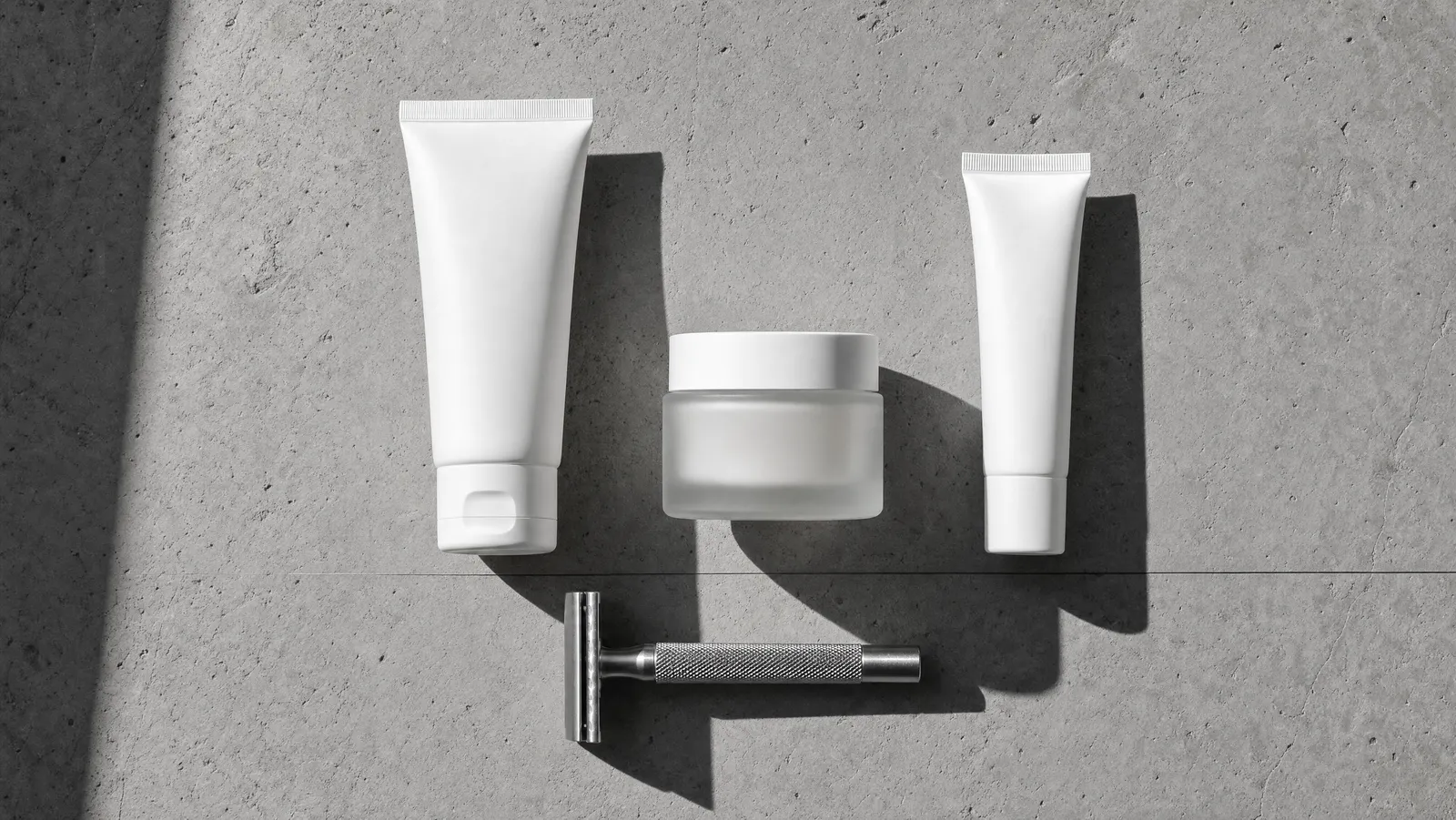
My brother-in-law owns one bottle of three-in-one body wash, a four-month-old disposable razor, and a permanent sunburn line where his hat sits. A Korean skincare routine for men is three steps and about ninety seconds a day: cleanse, hydrate, protect. Everything else is optional.
Some guides I link to contain affiliate links, and if you buy through them I may earn a small commission at no cost to you. I am a certified skincare specialist, and the awkward part first: skin is skin, and almost none of this is gendered. A cleanser has no idea who is using it. But male skin does differ in a few measurable ways, and shaving changes the math more than any product on the shelf. For the unabridged version without the shaving detail, start with a simple Korean skincare routine.
Does men's skin actually differ?
Yes, in a handful of ways, and less dramatically than marketing copy suggests. A 2018 review in the International Journal of Women's Dermatology by Rahrovan and colleagues pooled dozens of studies on male versus female skin. Here is what it supports, hedges intact.
- Sebum output is genuinely higher. The review states sebum content is higher in men because sebum is strongly influenced by sex hormones, citing work that found forehead sebum higher in men aged 13 to 70 than in age-matched women. It also links male sex to larger pore size.
- Skin is somewhat thicker, but "25 percent thicker" is not a number I would repeat. The review reports one study finding men's skin roughly 10 to 20 percent thicker across sites, and other measurements showing no significant epidermal difference except the forehead. Thicker on average, yes. A crisp percentage, no.
- Surface pH is slightly more acidic in men. Findings on water loss and hydration contradict each other and shift with age, so confident numbers there are overreach. Same for wrinkles: some studies found more forehead wrinkling in men, and the review's authors note lower sun exposure among women may explain part of that gap.
- Dense terminal facial hair is the real differentiator. Androgens drive coarse beard growth, so most men drag a blade across their face several times a week.
The upshot: the routine's shape is identical for everyone. Men just prefer lighter textures, and men who shave need a gentler approach than face-wash marketing implies.
The three steps that do 90 percent of the work
Cleanse. Hydrate. Protect. That is also the American Academy of Dermatology's own skin care tips for men: a mild facial cleanser with lukewarm not hot water, moisturizer on damp skin because it works by trapping water in, and a broad-spectrum, water-resistant sunscreen at SPF 30 or higher.
Sunscreen is the highest-return step, and it is not close. The AAD says scientific evidence supports using sunscreen to minimize short-term and long-term sun damage, and treats regular broad-spectrum use as part of reducing skin cancer risk.
"Hydrate" does not mean a heavy cream. A watery toner or light gel on damp skin does the job. Glazed by 10 a.m. means wrong texture, not wrong step.
The morning routine
- Rinse, or use a gentle low-pH gel cleanser. Nothing water-resistant landed on your face overnight, so lukewarm water alone is fine if you are dry. Oily, or you sleep warm? One small pump of a mild low-pH gel. Skip anything that leaves you squeaky. For bottles rather than categories, I keep a sorted list of the best Korean cleansers.
- Hydrate on damp skin. Do not towel off completely. Pat on a hydrating toner, or one all-in-one moisturizer if two products is one too many.
- Sunscreen, every day, indoor job or not. This is the step that earns the other two.
If you shave in the morning, shave after step one, on warm, clean, softened skin.
The evening routine
At night the job is removal, then repair.
One cleanse is usually enough. Sweat, sebum, and city grime come off with a mild water-based cleanser. Twice a day plus after exercise is the AAD's washing guidance, not four times because you felt oily at lunch.
A real double cleanse earns its keep some days. Oil dissolves oil, and sunscreen, hair product, and a day of sebum are all oil-based. So if you wore sunscreen properly, sweated through a workout, or spent the day under a helmet pressing product into your hairline, oil-then-water beats asking one foaming wash to strip it by force. I break down the mechanism in the Korean double cleansing method. On a nothing-happened Tuesday, one gentle cleanse is plenty.
Then moisturize on damp skin. If you shaved that evening, it is not optional.
Shaving is the variable everyone ignores
Shaving is mechanical trauma to the barrier, not a neutral event before skincare. The AAD lists it among the common ways hair follicles get damaged in its guidance on folliculitis. Treat every shave as an exfoliation you did not choose.
Prep with warmth and slip. The AAD's how to shave guidance is to wet skin and hair to soften it, ideally shaving right after a shower, then apply shaving cream or gel. Its razor bump prevention page offers a warm, damp washcloth instead, to loosen hairs so they curve into skin less. Dry shaving is the most avoidable mistake here.
Go with the grain. The AAD is direct: shave in the direction the hair grows, and calls it an important step for preventing razor bumps and burns. Its razor bump pages add finding your growth direction in a mirror, avoiding a very close, high-pressure shave, using a single-blade or electric razor if you are prone to bumps, replacing blades after five to seven shaves, and storing the razor somewhere dry, not in the shower.
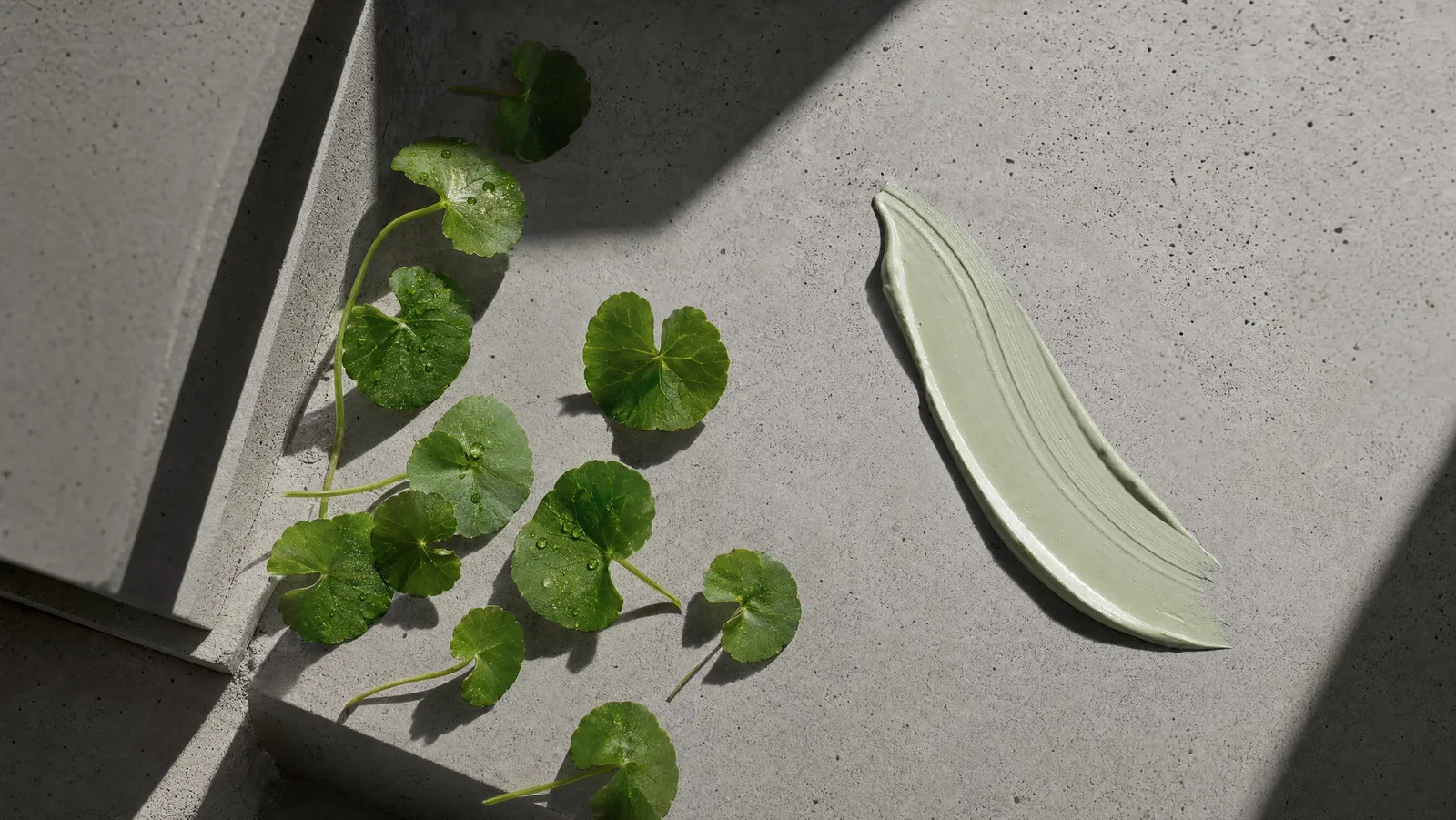
Aftershave: soothe, do not sting. Classic splash aftershave is largely denatured alcohol, which at high concentrations is associated with dryness and a weakened barrier. The AAD recommends a soothing aftershave formulated to reduce the risk of razor bumps and irritation instead. That is where K-beauty balms earn their place: centella asiatica, panthenol, allantoin, glycerin. A PubMed Central review of the pharmacological effects of centella asiatica summarizes its wound-repair and anti-inflammatory activity, and a 2025 study of a centella, ceramide, and panthenol cream reported immediate relief of facial redness in sensitive skin. Soothing, not medicine.
Three post-shave problems, three different things.
- Razor burn is friction irritation: diffuse redness and stinging, immediately, fading on its own. Fix the mechanics; products help.
- Razor bumps, medically pseudofolliculitis barbae, are ingrown hairs, so they can surface a day or more after the shave rather than the moment you finish. They disproportionately affect people with coarse, curly facial hair, which is why the AAD aims its razor bump guidance at men with darker skin tones. Inflammation, not infection.
- Folliculitis is an infection in the follicle. The AAD describes it as looking like a sudden acne breakout, often with a red ring around each spot, commonly involving Staph aureus entering damaged follicles. It can need a prescription.
Good technique only shortens the odds on the other two.
Growing a beard does not exempt you. Cleveland Clinic's rundown on the itchy beard covers what turns up under facial hair: seborrheic dermatitis with red, scaly, itchy patches, folliculitis when staph thrives in the humidity, and plain dryness. Its advice is to wash the area properly and work face moisturizer into the beard and the skin underneath.
Adding one treatment, once the basics stick
One product at a time, two to four weeks each. Add two at once and you will not know which one your face objected to.
- Niacinamide, if you are oily or red after shaving. A PubMed review of niacinamide as a multifunctional agent covers the sebum and barrier evidence. The most-cited trial behind it (Draelos and colleagues, 2006) was double-blind and placebo-controlled: 2 percent topical niacinamide significantly lowered sebum excretion rate after two and four weeks in 100 Japanese subjects, though a separate arm in Caucasian subjects did not repeat that result. Promising, not settled.
- An essence or snail mucin, if you want the hydration layer. The cheapest upgrade here. Start with the best Korean snail mucin essences and serums.
- A low-strength retinoid, last, and only when your barrier is calm. The AAD's advice on retinoids and retinol is to use the least-intense formula you can find, apply it every other night to start, pair it with moisturizer, and wear sunscreen daily because retinoids increase sun sensitivity. It also warns that irritation can trigger hyperpigmentation in darker skin tones. My rule on top: never on freshly shaved skin.
If that already feels like too much, take the shorter on-ramp. Korean skincare for beginners strips it to the non-shaving basics.
Sunscreen without the white cast
Men abandon sunscreen for aesthetic reasons, not philosophical ones. Chalky, stinging, pilling under a beard. All fixable.
What the number means, and what it assumes. The AAD recommends SPF 30 or higher, which filters about 97 percent of UVB rays, plus broad-spectrum coverage and water resistance on the label. SPF describes burning rays only, so broad spectrum matters separately. It is measured at 2 milligrams per square centimeter, and research finds people apply well under that, getting less protection than the label suggests. The AAD's fix for your face is at least a teaspoon, about two finger-lengths, reapplied every two hours outdoors.
Texture is a real problem with a real solution. Korean and Japanese formulas have long used modern non-mineral filters that feel like nothing, and the regulatory gap is narrowing: in June 2026 the FDA added bemotrizinol as a permitted sunscreen active, the first addition to the US monograph in more than two decades, noting it protects against both UVA and UVB and rarely causes irritation. Look for fluid, gel, or milk textures rather than thick creams.
Mineral versus chemical, honestly. Zinc oxide and titanium dioxide are gentler on reactive skin and are what the AAD suggests for sensitive skin, but they are the filters that leave a cast on deeper tones. Tinting trades the cast for a shade-matching problem. Non-mineral filters disappear completely. My roundup of the best Asian sunscreens is organized around that trade-off. And since nobody rubs lotion on at 2 p.m., a stick in a bag is what makes reapplication happen.
Mistakes I see most
- Bar soap or body wash on the face. Soap bars run alkaline; your barrier is mildly acidic.
- Scrubbing with a grainy exfoliant because it "feels clean." Squeaky is stripped, and shaving already exfoliates you.
- Alcohol splash aftershave as the whole routine. Sting is not efficacy.
- Skipping moisturizer because skin is oily. Stripping oily skin tends to leave it tight and no less shiny. Use a gel.
- Dry shaving. Thirty seconds saved, three days of irritation earned.
- Buying six products in week one. You will quit by Thursday and blame skincare.
When to see a dermatologist
Skincare is maintenance. These are not maintenance problems.
- Acne that persists, or arrives as deep, painful cysts. Cystic acne scars, and prescription options exist for a reason.
- Razor bumps that scar or leave dark marks. The AAD notes untreated razor bumps can cause permanent scarring and advises seeing a board-certified dermatologist if changing your shaving habits has not helped. Worth acting on early if your facial hair is coarse or curly.
- An itchy, scaling rash in the beard, brows, or hairline. Seborrheic dermatitis is common and manageable, not a problem you solve with a fourth cleanser.
- Any mole or spot that changes. The AAD is explicit that new spots or moles that itch, bleed, or change color are often early warning signs of skin cancer.
- Hair loss you would rather stay ahead of. Per the AAD and Cleveland Clinic, approved treatments for male pattern hair loss tend to work better the sooner they start.
None of this is a diagnosis or a reason to panic. It is a reason to make an appointment.
Frequently asked questions
Do I really need more than a face wash? You need sunscreen. If you add one thing, add that. Moisturizer is second, and takes ten seconds.
Can I just use my wife's or girlfriend's products? Mostly, yes. Formulas are not sex-specific. You may find her cream too rich for your sebum output, so borrow the sunscreen and buy your own moisturizer in a lighter texture.
Should I moisturize if my skin is oily? And do I need eye cream? Moisturize, yes, with a gel or light lotion, because stripping oily skin tends to leave it tight without making it any less shiny. Eye cream is optional: sunscreen around the eyes does far more.
What about the skin under my beard? Wash it and moisturize it. Cleveland Clinic's guidance is to clean the area properly and work moisturizer into the beard and the skin underneath, because dryness, flaking, and folliculitis all happen under facial hair.
Is a ten-step routine ever worth it for a guy? Rarely, and never as a starting point. Three steps done daily beat ten done for two weeks.
Where to go from here
Cleanse, hydrate, protect, fix your shave. The shaving half is where you will feel the difference first, usually within a week. Once the three steps are automatic, add one treatment and give it a month. For the deeper layering logic and routines built by skin type, it is all in our Next Gen Beauty Reviews K-beauty guide.
About the Author
Kelly Hyde
Kelly Hyde is a certified skincare specialist and beauty trend forecaster, and the founder of Next Gen Beauty Reviews. She spends her time testing the latest K-beauty launches, at-home beauty devices, and skincare tools so you do not have to, and only recommends products she would put in her own routine.