How Often Should You Wash Your Hair?

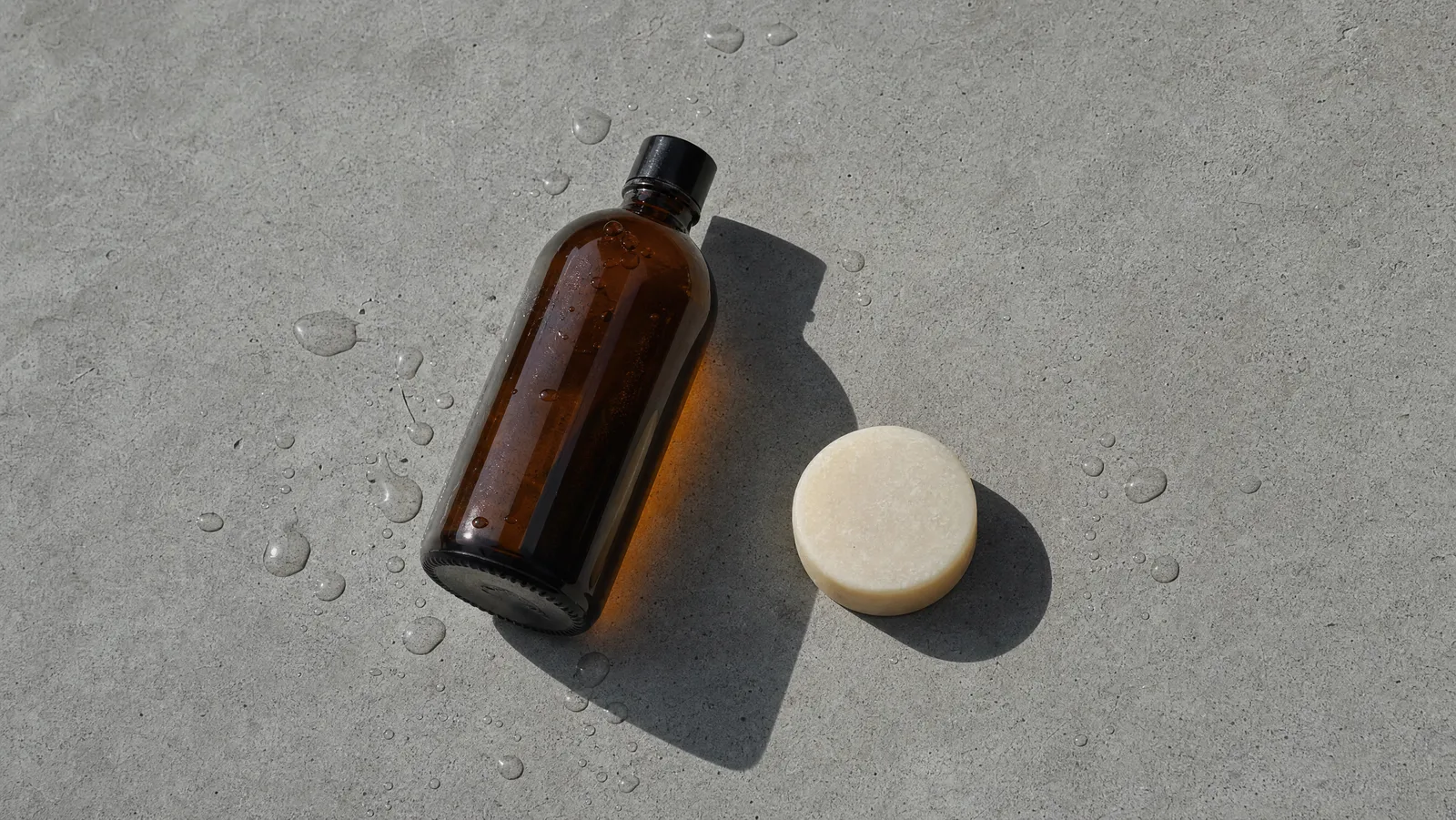
How often should you wash your hair? Wash it when your scalp is oily or dirty, not when a calendar tells you to. For straight, fine hair with an oily scalp, that can honestly mean daily. For tightly coiled or very dry hair, it can mean once every one to three weeks. Every article that hands you a single number is guessing on your behalf, because that number is set by your scalp, not by a rule.
Some guides I link to contain affiliate links, and if you buy through them I may earn a small commission at no cost to you. What follows is the reasoning instead: the variables that set your hair washing frequency, what dermatology sources say, and how to buy extra days. For the whole picture rather than wash day alone, a full hair care routine is the companion piece.
The short answer, by hair type
Starting points to adjust from, not prescriptions. Run the one that sounds like you for two weeks, then let your scalp correct you.
- Straight and fine with an oily scalp: daily to every other day. A straight shaft wicks sebum to the tips fast, and fine hair hides nothing.
- Wavy: every two to three days. Enough bend to slow the oil down, not enough to starve the ends.
- Curly: every three to seven days, with conditioner doing more work than shampoo.
- Coily and tightly textured: every seven to fourteen days, sometimes longer, because the sebum that greases a straight scalp never makes it down a coil.
- Chemically processed: the lowest frequency your scalp tolerates, since every wash costs color and moisture.
That range is not mine. According to the American Academy of Dermatology, if you have straight hair and an oily scalp you may want to shampoo every day, and if your hair is dry, textured, curly, or thick, shampoo when needed, at least once every two to three weeks. Notice the hedging in the AAD's own language: it gives ranges and conditions, not a number.
You are washing your scalp, not your hair
Shampoo is a skincare product sold in the hair aisle: its surfactants lift sebum, sweat, dead skin, and residue off the scalp, and the lengths get cleaned incidentally in the rinse.
The AAD says it plainly: apply shampoo to your scalp rather than the entire length of your hair. Lathering the ends is pointless and drying: they are the oldest part of the fiber and were never the dirty part. Conditioner runs the other way, and the AAD suggests it on the ends for fine or straight hair, along the entire length if hair is dry or curly.
Which makes "my ends feel dry, so I will wash less" the most common error here. Dry ends are a conditioning problem; washing less just leaves your scalp dirty and your ends as dry as they were.
The variables that actually set your number
Sebum production. The big one, and mostly out of your hands. A StatPearls review on the NIH's Bookshelf describes sebaceous gland function as regulated by androgens, with gland activity picking up during adrenarche at around age nine and running high until about eighteen. What happens after that is less tidy than the internet suggests: a 2022 review in Frontiers in Cell and Developmental Biology reports that sebum output in women begins to decline with menopause, while in men it stays close to young-adult levels even at eighty. Either way, the schedule that suited you at fifteen is not automatically the one that suits you now.
Curl pattern. Sebum travels easily down a straight shaft and struggles down a coiled one. That geometry is why coily hair is dry at the ends while the scalp is not, and why wash-less advice can leave a textured scalp uncleansed.
Scalp conditions. Dandruff and seborrheic dermatitis flip the advice: the AAD's guidance runs the opposite direction, more frequent washing with the right shampoo, not less.
Sweat and exercise. Frequent heavy sweating moves the dial, but less than people assume.
Styling product load. Gels, creams, oils, and especially dry shampoo accumulate, so heavy users need a real cleanse sooner than any chart suggests.
Hard water. Mineral-heavy water leaves deposits that make hair feel coated, and it lathers poorly, which tempts people into more product and harder scrubbing.
Length and density. A buzz cut is mostly exposed scalp and behaves like facial skin, so it wants near-daily rinsing, which is why I have a simple hair care routine for men in the works. Long, dense hair is the opposite problem.
Hats and helmets. Occlusion plus sweat plus friction makes a scalp itch, so cyclists and hard-hat wearers wash more often than their type predicts.
The "train your hair" myth
The claim is everywhere: push through a greasy transition and your scalp learns to make less oil. It gets repeated as mechanism when it is closer to folklore.
Sebum output is driven by hormones and genetics, and the physiology literature ties it to androgen signaling, not to habits. I could not find a controlled study showing that washing less reduces how much sebum a scalp makes over time. A 2026 study in Skin Research and Technology measured high-sebum scalps and found a single shampoo cleanse significantly reduced surface and pore sebum, in line with earlier work showing lower scalp sebum at higher wash frequency. Washing removes oil. It does not place an order for more.
What genuinely changes when you stretch washes is your tolerance, your styling, and what you count as greasy. Plenty of people are happier washing twice a week. Just do not expect your sebaceous glands to sign the contract.
Signs you are washing too often
- Squeaky, tight-feeling hair after rinsing. Squeaky is not clean, it is stripped.
- Dull, frizz-prone lengths that drink conditioner and still feel rough.
- Color fading faster than it should, especially reds.
- A scalp that feels tight or itchy within an hour of washing, which is irritation, not dirt.
What to do: stretch one day at a time rather than daily to weekly overnight, use a gentler shampoo, and keep the lather on the scalp.
Signs you are not washing often enough
- An itchy scalp, or hair that smells faintly of scalp by evening.
- Flaking that looks greasy and yellowish rather than dry and white.
- Roots that go flat, separated, and stringy no matter what you do with a brush.
- Styling products that stop working, because they are landing on a film of old product.
- Tenderness along the part, especially after days in a tight style.
What to do: add a day back. If that does not fix it, the problem is the quality of your wash, not the frequency.
Wash better and you can wash less
Most people asking how often to shampoo have a technique problem. These mechanics buy a day.
- Lather with fingertip pads, never nails. Nails score skin, and micro-scratches turn an itchy scalp raw.
- Two short lathers beat one long one when the scalp is genuinely dirty. The first pass lifts oil and product so the second reaches skin, like double cleansing your face.
- Rinse for longer than feels necessary. Residue is an underrated cause of dullness and of hair that looks dirty early.
- Condition from the ears down. Conditioner sitting at the roots is a classic cause of greasy-by-lunchtime.
- Clarify on a cadence instead of shampooing harder. A clarifying wash every few weeks resets buildup better than daily aggression, and a scrub does similar work on the scalp, which is what the best scalp scrubs roundup is for.
Dry shampoo, co-washing, and the water-only rinse
Dry shampoo absorbs oil. It does not clean. Starches and clays soak up sebum so roots look less flat, but nothing leaves your scalp. It buys a day, then stacks into a gritty film.
Co-washing works for dry, textured hair and fails for oily scalps. Cleansing conditioners use mild surfactants rather than the stronger detergents in a shampoo, so they refresh curls without stripping, but on an oily scalp they can leave a coating that gets heavier each time.
A plain water rinse is underrated. Warm water and a few minutes of fingertip massage genuinely remove sweat, salt, and loose debris. It will not shift a week of sebum and product, but as a reset between washes it is badly underused.
Exercise and the every-day problem
Sweat is mostly water and salt, not dirt. It leaves hair damp and limp, but it is not the same load as sebum plus product plus dead skin.
So for daily training: rinse and condition the lengths after most sessions, and shampoo when the scalp is actually oily rather than out of reflex. Rinsing promptly matters more than shampooing constantly, especially in a tight ponytail.
When your scalp needs a schedule, not a preference
Dandruff, seborrheic dermatitis, and an itchy or inflamed scalp change the math. They generally involve flaking, itch, and often redness, tied to scalp oil, a common resident yeast, and an individual inflammatory response. They are not caused by a dirty scalp, or cured by a clean one.
Here the AAD's dandruff guidance runs against the wash-less current: for fine or straight hair with an oily scalp it suggests washing often, giving the example of shampooing daily with a dandruff shampoo twice a week; for coarse, curly, or coily hair, washing when needed with a dandruff shampoo about once a week, if tolerated. It also notes some dandruff shampoos need five to ten minutes on the scalp before rinsing, and its seborrheic dermatitis guidance stresses leaving medicated shampoo on for the time your dermatologist recommends. Contact time is the part everyone skips.
I will not name an active or a strength, or tell you a wash schedule treats anything. Frequency manages oil, dirt, and comfort. Flaking that returns within days, redness, soreness, or hair loss deserves a board-certified dermatologist, not another bottle. For the maintenance side, a scalp care routine covers the rest.
Porosity, buildup, and why your wash day stops working
If your schedule worked for a year and then quietly stopped, porosity is often why. Low-porosity hair has a tightly packed cuticle, so conditioners, oils, and products sit on the surface and accumulate. The result is hair that goes limp and coated while the scalp is not especially oily, which needs clarifying on a cadence more than higher frequency.
High-porosity hair is the opposite: a raised cuticle takes water in fast and loses it just as fast, so it tolerates less stripping and gets more from a gentler shampoo and a heavier conditioner. Working out which you have is what hair porosity is for.
Fine hair, colored hair, and the two special cases
Fine hair usually needs washing more often than the internet admits, because oil load is what flattens it. Two days of sebum reads as limp and separated, which people then fix with more product. Wash it, keep conditioner off the roots, and let volume come from a clean scalp, which is the thinking behind a routine for fine, flat hair.
Color-treated hair usually needs washing less, and in cooler water. Every wash costs pigment, warm water is generally thought to lift the cuticle so more of it escapes, and the fade is cumulative. Stretching washes genuinely helps, alongside the rest of caring for color-treated hair.
A realistic week
Three sample schedules. Steal the shape.
Oily and straight: shampoo to the scalp Monday, Wednesday, Friday, Sunday, conditioner from the ears down. A water rinse after workouts in between, a clarifying wash every three to four weeks, silk or satin pillowcase at night.
Wavy: shampoo Tuesday and Saturday, with a conditioner-only refresh midweek if the ends feel rough. Fingertip massage on wash days, clarify monthly, hair tied loosely at night.
Curly or coily: one full wash day on the weekend, scalp-focused shampoo then a deep conditioner with real dwell time. A co-wash or water rinse midweek if the scalp asks. Clarify or scrub every four to six weeks, and a satin bonnet at night, which does more for your ends than shampoo.
Frequently asked questions
Does washing your hair every day cause hair loss? No. Washing collects hairs you have already shed. According to the American Academy of Dermatology, it is normal to lose between fifty and one hundred hairs a day, because the body continually grows new hair and sheds old hair. That is a typical range, not a threshold. Wash once a week and a week of shedding arrives at once, which is why washing less often looks more alarming. The AAD separates that from hair loss, which shows up as a receding hairline, a bald spot, or overall thinning. That is a dermatologist's call, not a shampoo's.
Is it bad to go to bed with wet hair? It will not give you a cold. The issue is mechanical: hair swells with water and is more vulnerable to friction, so damp hair dragging across cotton all night is a good way to earn breakage, and a scalp that stays wet for hours may feel itchier. If you cannot air dry first, tie it loosely and sleep on silk or satin.
Should you shampoo twice? Only when the scalp is genuinely dirty: after heavy sweat, a weekend of product, or skipped washes. Otherwise once is plenty.
Does hard water matter? Somewhat, and less dramatically than water-filter marketing suggests. Mineral deposits make hair feel rough and coated, and shampoo harder to lather. The structural evidence is thin: a study indexed on PubMed comparing hair treated with hard water against distilled water found no significant difference in tensile strength or elasticity, and the wider literature disagrees with itself across small samples. If your water is hard, a clarifying or chelating shampoo on a cadence is the fix.
Can you skip shampoo entirely? Some people do, and it works best on dry, textured, low-product hair with water rinses and conditioner still in rotation. It fails on oily scalps, heavy product users, and anyone with flaking or itch. If your scalp is comfortable, you have your answer. If it itches, smells, or flakes, that is your scalp voting.
Hair washing frequency is a result, not a rule. Start from the range for your hair type, fix your technique, then adjust one day at a time and listen to your scalp rather than a schedule. When you are ready to build the rest of the routine around wash day, it is all in the Next Gen Beauty hair care routine guide.
About the Author
Kelly Hyde
Kelly Hyde is a certified skincare specialist and beauty trend forecaster, and the founder of Next Gen Beauty Reviews. She spends her time testing the latest K-beauty launches, at-home beauty devices, and skincare tools so you do not have to, and only recommends products she would put in her own routine.